

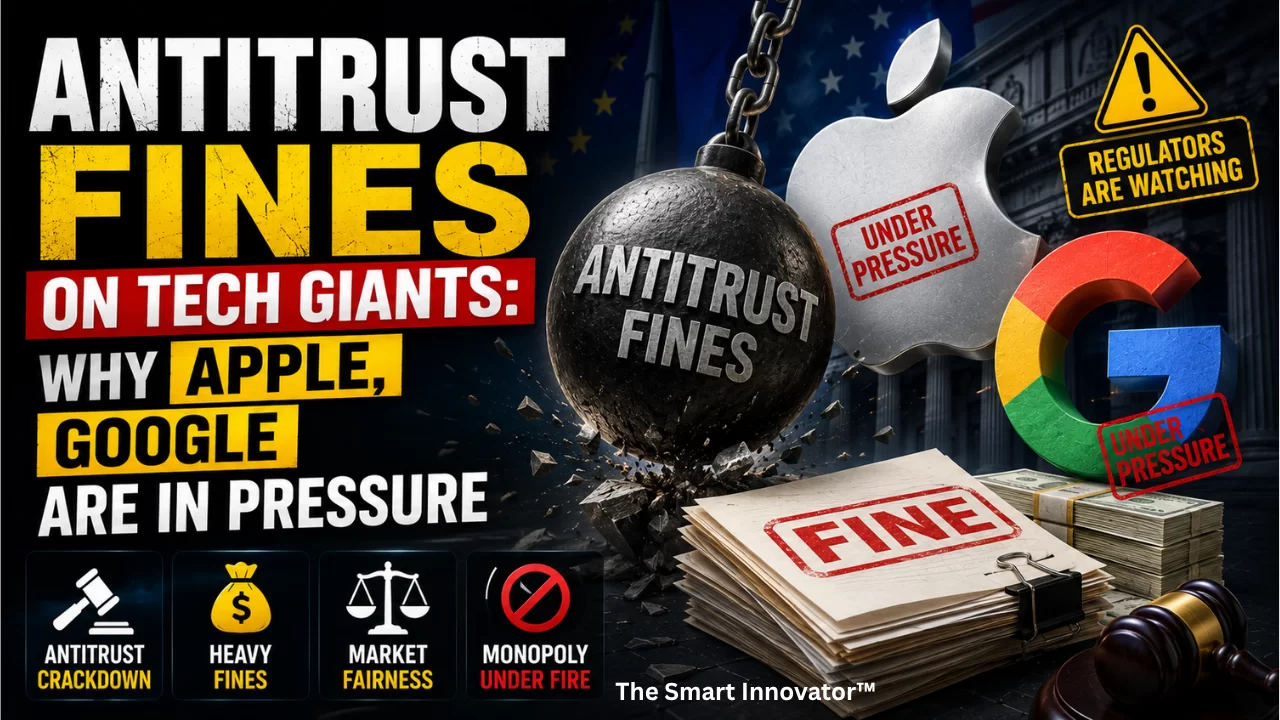
The world of technology changes almost every day, and antitrust tech news today has become one of the hottest topics influencing major companies and their well-known leaders. From high-profile CEOs to billionaire innovators, the spotlight is no longer focused only on groundbreaking products. Increasingly, it is also about fair competition, market influence, and the future of the digital economy. As governments examine the power of the biggest technology firms, the decisions made today could shape the next generation of innovation.
Why Antitrust Cases Matter in the Tech Industry
Technology has transformed how people communicate, shop, work, and entertain themselves. Companies that started as small startups have grown into global giants serving billions of users every day. Their founders and chief executives have become household names, often enjoying celebrity status because of their influence on business and modern life.
The rise of these companies has also sparked concerns about competition. Regulators around the world want to ensure that no single company becomes so powerful that it limits consumer choice or prevents smaller businesses from growing. That is why antitrust tech news today continues to attract widespread attention from investors, technology enthusiasts, and everyday consumers alike.
The discussion is not simply about legal rules. It is also about protecting innovation while encouraging healthy competition that benefits everyone.
Celebrity Tech Leaders Under the Spotlight
Some technology executives are now recognized almost as widely as movie stars or athletes. Their business decisions often make international headlines, and every major announcement can influence stock markets and public opinion.
Leaders from companies such as Apple, Google, Microsoft, Amazon, and Meta frequently appear in discussions surrounding market competition. Although these businesses have introduced products that changed the world, they also face increasing scrutiny regarding acquisitions, digital advertising, online marketplaces, and mobile ecosystems.
When people search for antitrust tech news today, they are often looking for updates about these influential companies and the executives guiding them through legal and regulatory challenges.
The Growing Focus on Fair Competition
Governments have become more active in reviewing business practices within the technology sector. Their goal is not necessarily to punish success but to ensure every company has an equal opportunity to compete fairly.
Regulators carefully examine mergers, acquisitions, exclusive agreements, and platform policies that could reduce competition. If a large company acquires too many competitors, innovation may slow because fewer businesses remain to challenge the market leader.
Supporters of stronger oversight believe fair competition encourages better products, lower prices, and improved customer service. Critics argue that excessive regulation could discourage investment and slow technological progress. This balance continues to shape many of the stories dominating antitrust tech news today.
How Consumers Are Affected
Many people assume antitrust cases only matter to lawyers or corporate executives, but their impact reaches ordinary consumers every day.
Healthy competition often leads to improved services, faster innovation, and more affordable products. When businesses compete aggressively, customers usually enjoy more choices and better experiences.
On the other hand, if one company controls too much of a market, consumers may have fewer alternatives. Prices could increase, innovation might slow, and smaller companies may struggle to introduce fresh ideas.
This is one reason why public interest in antitrust tech news today continues to grow beyond the business community.
The Role of Artificial Intelligence
Artificial intelligence has quickly become one of the most competitive areas in technology. Companies are investing billions of dollars to develop smarter software, advanced language models, and powerful business tools.
As AI expands, regulators are paying closer attention to partnerships between major technology companies. Questions often arise about whether certain agreements could limit competition or create unfair advantages.
Industry experts generally agree that AI has tremendous potential to improve healthcare, education, finance, and entertainment. However, maintaining open competition remains essential so new innovators can continue entering the market with creative ideas.
Innovation Versus Regulation
One of the biggest debates involves finding the right balance between encouraging innovation and enforcing competition laws.
Technology companies often argue that large investments require financial strength and long-term planning. They believe successful businesses should be rewarded for creating products that customers voluntarily choose.
Regulators respond that success should never eliminate competition. Their responsibility is to maintain a marketplace where startups and smaller businesses have genuine opportunities to grow and compete.
Both perspectives have valid points, making every major legal development closely watched by industry experts, investors, and consumers.
Why Investors Follow These Stories Closely
Financial markets react quickly whenever significant regulatory developments occur. Even small legal announcements can influence company valuations and investor confidence.
Businesses facing major investigations sometimes experience temporary uncertainty, while positive legal outcomes may strengthen market confidence. Investors also evaluate how changing regulations could affect future earnings, expansion plans, and product development.
Because of these financial implications, many professionals begin their mornings by reviewing antitrust tech news today before making important investment decisions.
Global Impact Beyond One Country
Technology companies operate across multiple continents, meaning regulatory decisions in one region often influence markets elsewhere.
Authorities in North America, Europe, Asia, and other parts of the world frequently cooperate while reviewing major technology companies. Although legal systems differ, many governments share similar concerns regarding competition, digital privacy, and consumer protection.
This international perspective explains why technology regulation has become a global conversation rather than a local issue.
How Companies Are Responding
Leading technology firms continue adapting to changing regulatory expectations. Some businesses introduce greater transparency regarding their platforms, while others modify business practices or update policies to address concerns raised by regulators.
Many companies are also investing more heavily in legal compliance, consumer privacy, and ethical technology development. These efforts demonstrate that long-term business success increasingly depends not only on innovation but also on maintaining public trust.
Executives understand that reputation has become nearly as valuable as technological leadership.
The Future of Technology Competition
Looking ahead, competition within the technology industry is expected to become even more dynamic. Emerging fields such as artificial intelligence, cloud computing, cybersecurity, digital payments, and quantum computing will likely create new opportunities alongside fresh regulatory questions.
Smaller startups continue introducing innovative solutions capable of challenging established companies. At the same time, larger organizations possess significant resources that enable them to invest in groundbreaking research and global expansion.
The future will likely depend on maintaining an environment where both established leaders and new innovators can succeed fairly.
Conclusion
The conversation surrounding antitrust tech news today extends far beyond courtroom proceedings or corporate boardrooms. It reflects broader questions about innovation, consumer choice, business responsibility, and the future direction of the global technology industry.
As celebrity technology leaders continue influencing the digital world, their companies remain under increasing public and regulatory attention. Fair competition encourages creativity, supports entrepreneurship, and helps consumers enjoy better products and services.
Understanding these developments allows readers to appreciate not only the legal headlines but also the long-term impact on everyday technology. As innovation continues accelerating, following antitrust tech news today provides valuable insight into how tomorrow’s digital landscape is being shaped today.
FAQ
What does antitrust mean in the technology industry?
Antitrust refers to laws designed to promote fair competition by preventing companies from using unfair practices that could reduce consumer choice or block competitors.
Why are technology companies often investigated?
Large technology companies may be investigated when regulators believe their business practices, acquisitions, or market influence could limit competition within the industry.
Why is antitrust news important for consumers?
These developments can influence product availability, pricing, innovation, privacy practices, and the number of choices available to consumers.
How does antitrust affect investors?
Legal and regulatory decisions can influence company performance, market confidence, and long-term investment opportunities within the technology sector.
Will technology regulation continue increasing?
Most industry experts expect regulatory attention to remain strong as technology continues evolving, particularly in areas such as artificial intelligence, digital platforms, and online marketplaces.
