

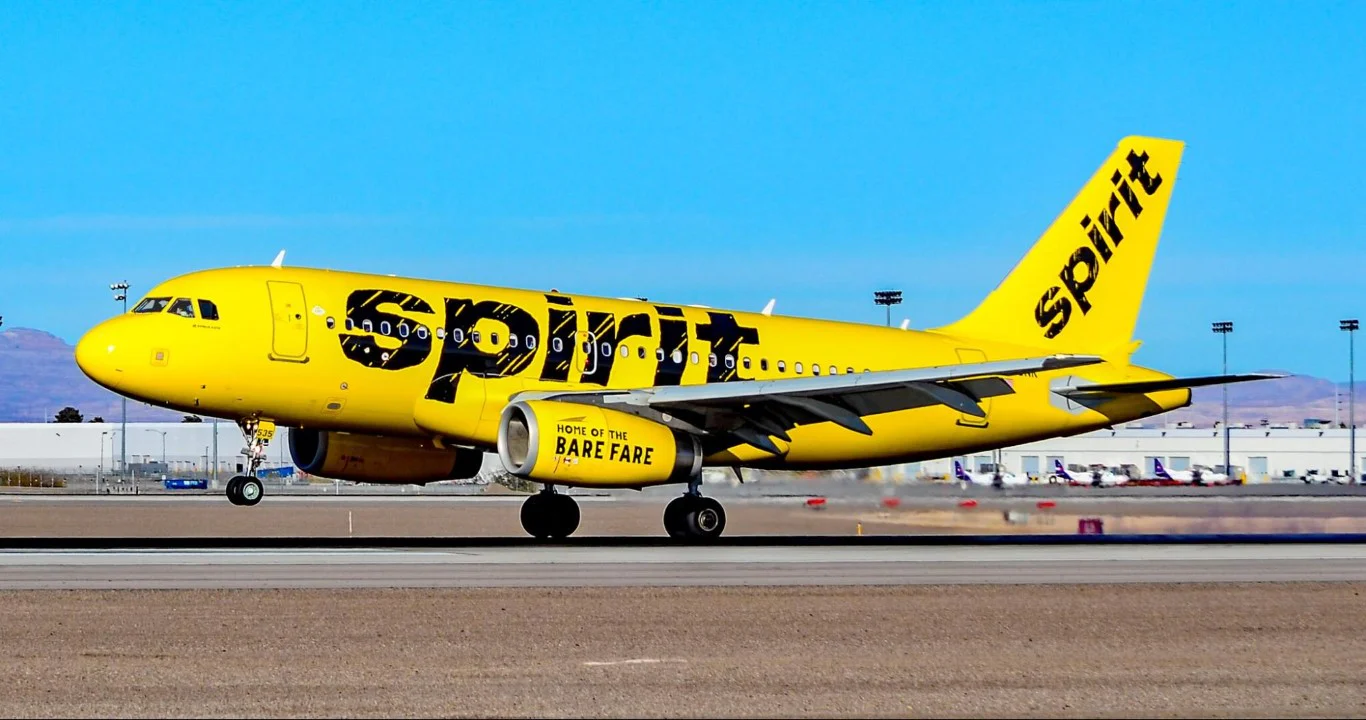
If you have ever searched is Spirit Airlines safe, you are not alone. As one of the most affordable airlines in the United States, Spirit Airlines often attracts attention for its low fares, but many travelers wonder whether lower ticket prices mean lower safety standards. The short answer is no. While Spirit offers a budget-friendly travel experience, it must meet the same strict aviation safety regulations as every other commercial airline operating in the United States.
Understanding how airline safety works can help separate facts from myths. Price, comfort, and customer service are different from safety. This article takes an in-depth look at Spirit Airlines’ safety record, maintenance practices, pilot training, fleet quality, and passenger experiences to help you make an informed travel decision.
What Is Spirit Airlines?
Spirit Airlines is an American ultra-low-cost carrier headquartered in Dania Beach, Florida. Since its launch in the early 1990s, the airline has focused on providing affordable domestic and international flights by offering low base fares while charging separately for optional services such as baggage, seat selection, and onboard refreshments.
Its business model is designed to reduce operating costs without compromising regulatory safety requirements. Today, Spirit serves dozens of destinations across the United States, Latin America, and the Caribbean, carrying millions of passengers every year.
Although the airline is often discussed because of its budget pricing, its safety practices are regulated by the same federal authorities that oversee every major airline in the country.
Is Spirit Airlines Safe? The Direct Answer
The simplest answer to is Spirit Airlines safe is yes. Spirit Airlines is certified by the Federal Aviation Administration (FAA), which enforces some of the world’s strictest aviation safety standards. Every airline operating commercially in the United States must comply with these regulations regardless of ticket prices or business model.
Safety inspections, aircraft maintenance, pilot certification, crew training, and operational procedures are monitored continuously. Airlines that fail to meet these standards face penalties, operational restrictions, or suspension.
Spirit Airlines cannot legally operate flights unless it satisfies these ongoing safety requirements. That means passengers receive the same level of regulatory oversight whether flying with a premium airline or a budget carrier.
How Spirit Airlines Maintains Safety Standards
Aircraft safety depends on consistent maintenance rather than ticket prices. Spirit Airlines follows scheduled maintenance programs required by aviation authorities and aircraft manufacturers.
Every aircraft undergoes regular inspections before departure, after designated flight hours, and during major maintenance checks. Certified technicians inspect engines, navigation systems, landing gear, electrical components, and structural elements to ensure the aircraft remains airworthy.
Modern commercial aircraft also include sophisticated onboard monitoring systems that alert maintenance teams to potential issues before they become serious concerns. This proactive approach helps airlines maintain high operational reliability while protecting passenger safety.
Maintenance procedures are carefully documented, inspected, and audited by regulatory authorities throughout the aircraft’s service life.
The Spirit Airlines Fleet
One reason many aviation professionals consider Spirit a reliable airline is its relatively young fleet. Spirit primarily operates aircraft from the Airbus A320 family, including the A319, A320neo, and A321neo models.
Newer aircraft benefit from improved fuel efficiency, updated navigation technology, advanced safety systems, and modern cockpit designs. While newer planes do not automatically guarantee safety, they often include enhanced monitoring capabilities that help crews detect technical issues earlier.
Airbus aircraft are widely used by airlines around the world and have established strong reputations for reliability when maintained according to manufacturer guidelines.
A younger fleet also allows airlines to reduce maintenance complexity while improving operational efficiency.
Pilot Training and Crew Qualifications
Commercial airline pilots undergo extensive education before flying passenger aircraft. Spirit Airlines pilots must meet FAA licensing requirements and complete airline-specific training before operating scheduled flights.
Training includes simulator sessions, emergency procedures, aircraft systems, weather operations, communication protocols, and recurrent evaluations throughout their careers.
Flight attendants also receive comprehensive safety training. Their responsibilities extend far beyond customer service. They are trained to handle medical emergencies, evacuations, fire suppression, security situations, and passenger safety procedures.
Continuous training ensures that both pilots and cabin crew remain prepared for routine operations as well as unexpected situations.
Safety Versus Passenger Comfort
One reason people ask is Spirit Airlines safe is because they associate low ticket prices with lower quality. However, safety and comfort are completely different aspects of air travel.
Spirit Airlines keeps fares low by offering fewer complimentary services. Passengers often pay extra for checked baggage, larger carry-on bags, seat assignments, snacks, and drinks. Cabin seating may also have less legroom compared to some full-service airlines.
These cost-saving measures affect convenience rather than aircraft safety. The airline still follows the same federal regulations governing aircraft maintenance, pilot qualifications, operational procedures, and passenger protection.
Understanding this distinction helps travelers evaluate the airline based on facts instead of assumptions.
What Safety Ratings Say About Spirit Airlines
Independent aviation organizations evaluate airlines using factors such as fleet age, regulatory compliance, incident history, operational procedures, and safety certifications.
While rating systems vary between organizations, Spirit Airlines generally meets internationally recognized commercial aviation safety standards. The airline continues to operate under FAA certification and complies with ongoing regulatory oversight.
Like every airline, Spirit has experienced delays, cancellations, and occasional operational issues. However, these events should not automatically be interpreted as indicators of poor safety performance.
Operational disruptions often result from weather, air traffic congestion, aircraft scheduling, or staffing challenges rather than unsafe flying practices.
Common Misconceptions About Spirit Airlines
Many online discussions create confusion by mixing customer service complaints with safety concerns. Reviews about uncomfortable seats, baggage fees, delayed flights, or limited amenities often appear alongside questions about airline safety.
These issues may affect overall travel satisfaction but do not necessarily reflect the airline’s operational safety standards.
Another misconception is that cheaper airlines spend less on maintenance. In reality, maintenance programs are heavily regulated, and airlines cannot simply reduce required inspections to lower costs.
Every aircraft must satisfy strict airworthiness requirements before passengers are allowed to board.
Separating service quality from safety helps travelers make more balanced decisions.
How Spirit Compares With Other Airlines
When comparing airlines, it is important to evaluate similar categories separately. Full-service carriers may provide complimentary meals, entertainment, larger seats, and flexible ticket policies, while budget airlines focus primarily on transportation at the lowest possible fare.
From a regulatory standpoint, all major U.S. airlines operate under the same FAA safety framework. This means airlines such as Spirit, Delta, American, Southwest, United, and Alaska must all comply with identical federal safety requirements.
The main differences usually involve comfort, pricing, route options, baggage policies, and onboard services rather than fundamental flight safety.
This explains why millions of passengers continue choosing Spirit every year for affordable travel.
Tips for Flying With Spirit Airlines
Travelers can enjoy a smoother experience by understanding Spirit’s pricing model before booking. Reviewing baggage rules, checking in online, arriving early, and selecting optional services in advance can reduce unexpected costs and airport stress.
Reading the airline’s policies carefully helps avoid misunderstandings regarding baggage allowances, boarding procedures, and seat assignments.
Planning ahead allows passengers to focus on their trip instead of worrying about additional fees.
Should You Feel Comfortable Flying Spirit Airlines?
For most travelers, the answer is yes. If your primary concern is is Spirit Airlines safe, available evidence indicates that Spirit operates under rigorous federal oversight while maintaining required maintenance and operational standards.
No airline can completely eliminate risk because aviation involves complex technology and changing weather conditions. However, commercial aviation remains one of the safest forms of transportation, and Spirit Airlines participates within that highly regulated system.
Passengers who understand the airline’s low-cost business model are often satisfied when their expectations match the services provided.
Conclusion
The question is Spirit Airlines safe continues to appear because travelers naturally associate lower prices with lower quality. However, aviation safety does not work that way. Spirit Airlines operates under strict FAA regulations, maintains certified aircraft, trains qualified pilots and cabin crews, and follows industry-standard maintenance procedures required of every commercial airline in the United States.
While travelers may have different opinions about baggage fees, seating comfort, or customer service, these factors are separate from flight safety. The airline’s affordability comes from its business model rather than reduced safety standards.
If your goal is to find an economical way to travel while flying with an airline that meets established U.S. aviation safety requirements, Spirit Airlines remains a legitimate option. Understanding the difference between budget service and regulated safety can help you book your next flight with greater confidence.
FAQ
Is Spirit Airlines safe for first-time flyers?
Yes. Spirit Airlines follows the same FAA safety regulations as other commercial airlines in the United States, making it a suitable option for first-time travelers.
Why do people ask if Spirit Airlines is safe?
Many travelers associate low ticket prices with lower quality. In reality, affordable fares reflect the airline’s business model rather than its safety standards.
Does Spirit Airlines use old airplanes?
No. Spirit Airlines primarily operates a modern Airbus fleet, including newer aircraft models that feature updated technology and advanced safety systems.
Are Spirit Airlines pilots professionally trained?
Yes. Spirit pilots must meet FAA licensing requirements, complete extensive simulator training, and participate in ongoing evaluations throughout their careers.
Is Spirit Airlines as safe as other U.S. airlines?
From a regulatory perspective, yes. Spirit Airlines must comply with the same federal aviation safety standards, inspections, maintenance requirements, and operational rules as every other major U.S. commercial airline.
