

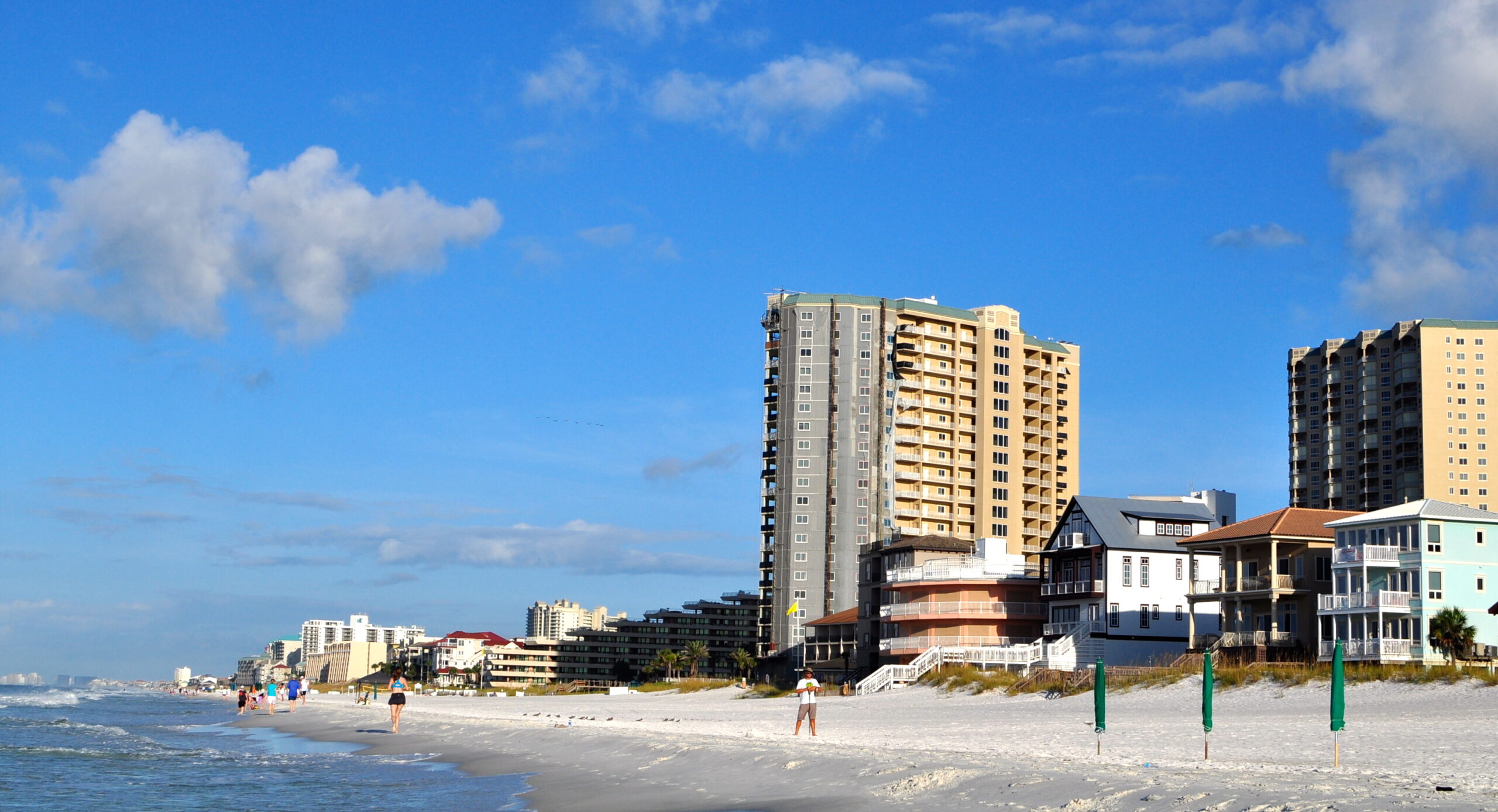
Miramar Beach weather is one of the biggest reasons visitors return to Florida’s scenic Gulf Coast year after year. Located along the Emerald Coast, Miramar Beach offers warm summers, mild winters, soft white sand, and inviting Gulf waters. However, the weather changes noticeably throughout the year, so understanding seasonal temperatures, rainfall, humidity, and storm risks can make a beach vacation much more enjoyable. Whether you are planning a family holiday, a romantic getaway, or a relaxing weekend by the water, knowing what conditions to expect can help you choose the right time to visit.
What Is Miramar Beach Weather Like?
Miramar Beach has a humid subtropical climate, meaning summers are generally hot and humid while winters are considerably cooler but usually mild compared with much of the United States. Historical climate data show that temperatures typically range from roughly 46°F to 88°F during the year, although occasional weather extremes can fall outside that range.
The area receives rainfall throughout the year rather than having a completely dry season. Summer tends to bring the greatest combination of heat, humidity, and rainfall, while spring and autumn often provide a more comfortable balance for outdoor activities. This seasonal variety makes Miramar Beach attractive beyond the traditional summer vacation period.
Spring Brings Comfortable Beach Conditions
Spring is often one of the most pleasant periods to experience Miramar Beach. March begins with cooler temperatures, but conditions gradually become warmer through April and May. Average daytime highs rise from about 68°F in March to 74°F in April and approximately 81°F in May.
For travelers who want sunshine without the intense heat of midsummer, late spring can be particularly appealing. May is also historically one of the drier months, with average rainfall around 3.3 inches according to long-term climate data.
The Gulf water also becomes progressively warmer during spring. That makes late spring especially attractive for swimming, paddleboarding, kayaking, and other activities that depend on comfortable water temperatures.
Summer Is Hot, Humid, and Lively
Summer is the traditional high season in Miramar Beach, and for good reason. June, July, and August bring hot temperatures, long daylight hours, and warm Gulf water. Average highs reach approximately 86°F in June and 88°F in both July and August, while average nighttime lows remain in the upper 70s during the hottest part of the season.
The combination of heat and humidity can make afternoons feel considerably warmer than the actual thermometer reading. Visitors planning outdoor activities should therefore consider starting beach walks, cycling, fishing, or sightseeing earlier in the day.
Summer also has the highest rainfall of the year. July averages approximately 5.7 inches of rain, making it the wettest month in the historical climate data.
Rain, however, does not necessarily mean an entire day will be lost. Coastal summer weather can change quickly, with showers or thunderstorms developing and passing before clearer conditions return. Keeping outdoor plans flexible is often more useful than assuming a rainy forecast means continuous rain.
Autumn Offers a Strong Balance
For many travelers, autumn provides an excellent combination of warm temperatures, comfortable evenings, and fewer signs of peak-summer intensity. September remains warm, with an average high near 86°F, while October falls to around 78°F. November becomes noticeably cooler, with an average high of approximately 71°F.
October is particularly appealing for visitors who enjoy outdoor activities without extreme summer heat. Historical climate information identifies early October through early November as one of the strongest periods for warm-weather activities in Miramar Beach.
Autumn is also a useful time for people who prefer a quieter coastal atmosphere. The weather can still support beach days, but temperatures are generally easier to manage during long walks, sightseeing, and outdoor dining.
Winter Is Mild but Cooler
Winter in Miramar Beach is much milder than winter in northern parts of the United States, although it is not consistently warm enough for traditional summer beach conditions. January is historically the coolest month, with average highs around 61°F and average lows near 47°F.
December and February remain relatively moderate, but cold fronts can occasionally produce noticeably cooler and windier conditions. Visitors traveling during winter should bring layers rather than relying exclusively on shorts and swimwear.
Winter can nevertheless be attractive for travelers who value peaceful surroundings. Beach walks, photography, local sightseeing, and relaxed coastal dining can remain enjoyable even when swimming is not the main activity.
Rainfall and Thunderstorms
Rain is an important part of understanding Miramar Beach weather. Long-term data indicate that precipitation occurs in every month, with July receiving the greatest average rainfall and May receiving the least.
Summer rainfall often arrives through thunderstorms. These storms can produce heavy rain, lightning, gusty winds, and temporarily rough Gulf conditions. A sunny morning can therefore develop into an unsettled afternoon, particularly during the warmer months.
Travelers should pay attention to daily forecasts rather than relying only on monthly averages. Climate averages describe typical conditions over long periods, while an individual vacation can be affected by a completely different short-term weather pattern.
Hurricane Season Matters
Because Miramar Beach sits on Florida’s Gulf Coast, tropical weather deserves attention when planning a trip. The Atlantic hurricane season officially runs from June 1 through November 30, with tropical activity typically reaching its highest levels around late summer and early autumn.
For 2026, NOAA’s seasonal outlook issued in May projected a 55% chance of a below-normal Atlantic hurricane season, a 35% chance of a near-normal season, and a 10% chance of an above-normal season. NOAA emphasized that a seasonal outlook does not predict whether a specific location will experience a hurricane or landfall.
This distinction is important. Even when a seasonal forecast suggests lower overall activity, travelers should still monitor official forecasts during hurricane season. Conditions can change quickly, and Gulf Coast visitors should follow instructions from local authorities when severe weather threatens.
How to Plan Around the Weather
A smart beach vacation does not require perfect weather every day. It requires realistic planning. During the hottest months, early mornings and late afternoons can be more comfortable for outdoor activities, while the middle of the day can be reserved for shaded areas, indoor attractions, or a relaxed lunch.
Pack according to the season, but lightweight clothing, sunscreen, sunglasses, comfortable footwear, and rain protection are useful for much of the year. During winter, adding a light jacket or extra layer is sensible because temperatures can change significantly between daytime and evening.
Checking the short-term forecast shortly before leaving is especially important. Monthly climate information is valuable for choosing travel dates, but it cannot replace a current forecast when deciding whether to swim, boat, hike, or spend the day outdoors.
When Is the Best Time to Visit?
There is no single perfect month for everyone. Travelers focused on hot beach conditions may prefer June through September, when temperatures and Gulf water are at their warmest. Those who prefer comfortable sightseeing conditions may find spring and autumn more enjoyable.
Historical weather analysis places early April through mid-May and early October through early November among the strongest periods for warm-weather outdoor activities.
Ultimately, the best choice depends on what you want from the trip. Summer delivers classic Gulf Coast heat, spring offers comfortable conditions as temperatures rise, autumn provides a pleasant transition toward cooler weather, and winter delivers a quieter coastal experience.
FAQ About Miramar Beach Weather
What is the hottest month in Miramar Beach?
July and August are historically the hottest months, with average daytime highs around 88°F. July also has an average low near 78°F, so warm conditions can continue well into the evening.
Does Miramar Beach get a lot of rain?
Rain occurs throughout the year, but summer is generally wetter. July averages about 5.7 inches of rainfall, making it the wettest month in the long-term climate data.
Is winter a good time to visit Miramar Beach?
Winter can be excellent for visitors who enjoy cooler temperatures and a quieter atmosphere. January averages around 61°F during the day and 47°F at night, so it is better suited to sightseeing and coastal walks than guaranteed swimming weather.
When is the most comfortable time to visit?
Spring and autumn are strong choices for travelers who want warm conditions without the full intensity of midsummer. Early April through mid-May and early October through early November are identified as particularly favorable periods for outdoor activities.
Should travelers worry about hurricanes?
Hurricane risk should be considered from June through November because Miramar Beach is on the Gulf Coast. Seasonal outlooks provide broad basin-wide guidance rather than a prediction for a particular beach, so travelers should monitor official forecasts when visiting during hurricane season.
Conclusion
Understanding Miramar Beach weather makes it easier to plan a vacation that matches your expectations. The destination offers hot, humid summers, comfortable spring and autumn periods, and comparatively mild winters. Rainfall is possible throughout the year, while summer brings the greatest chance of thunderstorms and heavier precipitation. Hurricane season is another consideration, particularly from late summer into early autumn.
For travelers seeking the classic Gulf Coast experience, summer provides warm water and hot beach days. For those who prefer comfortable temperatures and outdoor exploration, spring and autumn may offer the better balance. Whatever season you choose, checking current forecasts close to your trip remains the most reliable way to prepare. With realistic expectations and flexible plans, Miramar Beach can be an enjoyable coastal destination in almost any season.
