

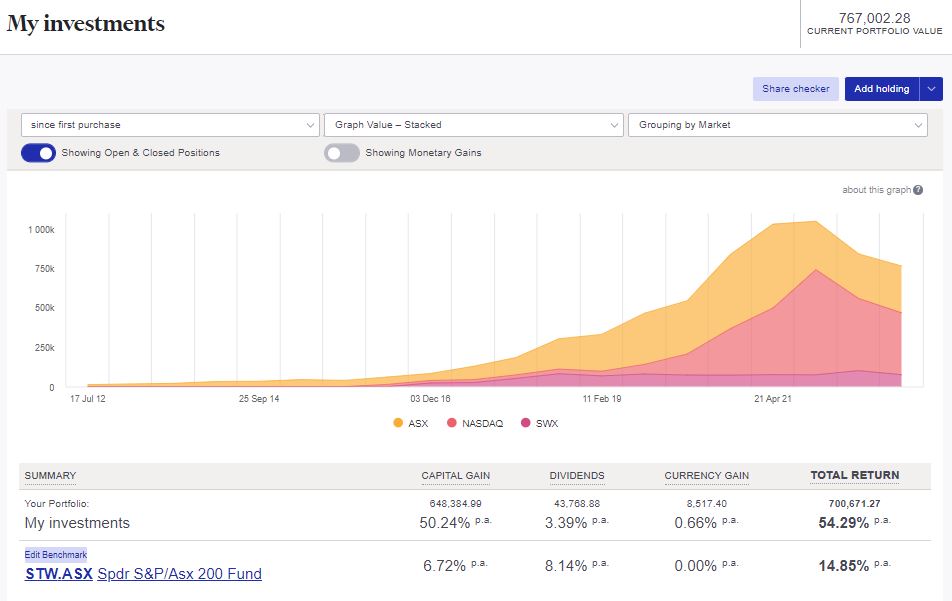
In a world where celebrities, entrepreneurs, athletes, and business personalities often have investments spread across different companies and industries, keeping track of financial performance can become surprisingly difficult. A yahoo finance portfolio gives investors a practical way to organize holdings, monitor market movements, and understand how individual investments are performing without constantly switching between different platforms.
While celebrity wealth often attracts headlines, the financial habits behind that wealth can be just as interesting. From technology stocks and funds to private investments and cash, modern portfolios can contain a wide range of assets. Having a centralized tracking system makes it easier to see the bigger picture and make more informed decisions.
What Is a Yahoo Finance Portfolio?
Yahoo Finance’s portfolio tools are designed to help users track investments and securities in one place. Investors can create portfolios based on actual holdings, potential investments, or stocks they simply want to watch. The platform also supports brokerage connections, allowing eligible users to view investment information through a connected account.
For someone following celebrity investors or simply managing personal investments, this organization can be valuable. Instead of remembering every purchase price, ticker symbol, or dividend payment, users can keep relevant information together and monitor changes over time.
Yahoo Finance currently describes its portfolio service as a place where users can view portfolios, holdings, performance information, dividends, and other key metrics. The platform also provides options for manually adding holdings or importing portfolio information.
Why Portfolio Tracking Matters
Successful investing is not only about choosing a stock. It is also about understanding what you already own.
A person may own shares in several technology companies, an index fund, a few dividend-paying businesses, and some cash. Looking at those investments individually can make the portfolio appear simple, but viewing them together may reveal something different.
Perhaps too much money is concentrated in one industry. Maybe several holdings are influenced by the same economic factor. In another situation, an investor may discover that dividends are becoming an increasingly important part of overall returns.
A portfolio tracker helps bring these details together.
For high-profile individuals, this type of organization can be especially useful because their financial interests may extend well beyond publicly traded stocks. Although public information does not reveal every part of a celebrity’s wealth, publicly disclosed investments can sometimes provide clues about broader investment interests.
How the Yahoo Finance Portfolio Works
Creating a portfolio does not necessarily require complicated financial knowledge. Yahoo Finance provides several ways to begin, including manually creating a portfolio, importing information through a CSV file, or linking a supported brokerage account.
Once investments have been added, users can monitor their holdings and relevant performance information. Transactions can also be recorded, allowing the portfolio to reflect purchases and sales rather than simply showing a collection of ticker symbols.
The system can also accommodate information such as cash and certain private-equity holdings. This makes the portfolio more flexible than a basic stock watchlist.
For investors who frequently research companies, separating actual holdings from stocks being considered can also make the experience much clearer.
The Difference Between a Portfolio and a Watchlist
One common mistake among new investors is treating a watchlist and a portfolio as the same thing.
A watchlist is generally used to follow securities that interest you. You might add a company because you are considering buying it after its next earnings report, for example.
A portfolio, however, can represent investments you actually own. It can contain transaction information, purchase details, and other data that help you evaluate performance.
This distinction becomes particularly important when studying investment habits of famous business figures. A stock appearing on a list does not automatically mean the person owns it. Investors should always distinguish between confirmed holdings, securities being watched, and assumptions based on media reports.
What Celebrities Can Teach Us About Investing
Celebrity investing is fascinating because public figures often have access to financial advisers, business opportunities, and professional networks that ordinary investors may not have.
However, one lesson remains universal: diversification matters.
A celebrity may earn substantial income from acting, music, sports, endorsements, business ownership, or media ventures. Because their income sources can already be concentrated in certain industries, investment decisions may be influenced by their existing exposure.
For an ordinary investor, the same principle applies in a different way. Someone working in technology, for instance, may already depend heavily on the technology sector for their salary. Holding an extremely concentrated technology portfolio could increase their overall financial exposure to the same industry.
A portfolio tracker can make this concentration easier to recognize.
Understanding Performance More Clearly
Seeing a stock rise does not necessarily mean an investor has made a significant profit.
The purchase price, number of shares, transaction history, dividends, and timing of purchases can all affect actual returns. Someone who purchased a stock several years ago may have a very different result from someone who bought the same company recently.
This is one reason transaction tracking is important.
Yahoo Finance’s portfolio tools can record buying and selling activity and provide information related to realized and unrealized gains. An unrealized gain represents the potential profit or loss based on the current value of an investment, while a realized gain or loss relates to investments that have actually been sold.
Understanding that difference prevents investors from confusing a temporary market movement with money they have actually locked in.
Using Portfolio Data Without Overreacting
Markets move constantly, and a portfolio tracker can make those movements highly visible.
That convenience can be useful, but it can also encourage emotional decisions. Watching a holding decline every few minutes may tempt someone to sell without considering the original investment thesis.
Experienced investors generally look beyond one day’s movement. They consider business fundamentals, valuation, financial performance, industry conditions, and their own investment objectives.
The value of a yahoo finance portfolio is therefore not simply seeing whether numbers are green or red. Its greater benefit comes from helping investors organize information so they can evaluate decisions with greater perspective.
Key Metrics Worth Watching
A useful portfolio should answer more than one question.
How much has the portfolio changed? Which holdings contribute most to the gains or losses? How much income comes from dividends? Is one sector becoming disproportionately large? Are certain investments moving together?
Yahoo Finance provides portfolio-related metrics that can help users examine areas such as returns, dividends, asset allocation, and sector diversification. These measurements can provide a broader understanding of how a collection of investments behaves.
For someone studying famous investors, these concepts are equally important. Looking only at the most recognizable stock in an investor’s portfolio can create a distorted picture of their overall strategy.
Keeping Celebrity Investment Stories in Perspective
Celebrity investment stories often sound more impressive than they really are because headlines naturally focus on large numbers.
A reported investment may represent only a small percentage of someone’s total wealth. A stock associated with a celebrity may also have been purchased for reasons unrelated to a long-term investment strategy.
Public filings can provide useful evidence in some circumstances, but they do not always reveal every investment or explain the reasoning behind a transaction.
That is why responsible investors should treat celebrity portfolios as interesting research rather than automatic investment instructions.
Copying someone simply because they are wealthy can be risky. Their financial circumstances, risk tolerance, tax situation, investment horizon, and access to professional advice may be completely different.
Making Your Portfolio More Useful
The best portfolio tracker is one that reflects your actual financial situation accurately.
Keeping transaction information updated is important because outdated data can make performance figures misleading. Separating long-term holdings from stocks under consideration can also make analysis easier.
Adding personal notes can be helpful as well. An investor might record why a stock was purchased, what expectations existed at the time, or which business developments should be monitored.
Over several years, these notes can become a valuable record of an investor’s decision-making process.
A yahoo finance portfolio can therefore become more than a collection of market prices. Used thoughtfully, it can serve as an organized financial journal that shows not only what an investor owns but also how those investments have evolved.
Frequently Asked Questions
Is Yahoo Finance Portfolio free to use?
Yahoo Finance provides portfolio functionality for tracking investments, while some advanced research and portfolio features are available through paid subscription plans. The exact features available can depend on the account and service level.
Can I track stocks I do not own?
Yes. Yahoo Finance allows users to create lists for securities they are interested in following. This makes it possible to monitor potential investments separately from actual holdings.
Can I connect a brokerage account?
Supported brokerage accounts can be linked so that eligible holdings and balances can be viewed through Yahoo Finance. Users can also manually create portfolios or import portfolio information.
Can I track dividends?
Yes. Portfolio tools can provide dividend-related information, helping investors monitor income generated by dividend-paying holdings.
Is a celebrity portfolio a recommendation to buy stocks?
No. A celebrity’s reported holdings should not automatically be treated as investment advice. Public information may be incomplete, delayed, or lacking context about why an investment was made.
Conclusion
A well-organized investment portfolio can make financial decisions easier to understand, whether the investor is a celebrity with millions in assets or someone building their first collection of stocks. The real value of a yahoo finance portfolio comes from bringing holdings, transactions, performance, dividends, and diversification information into one organized view.
Celebrity investment stories may capture attention, but the more useful lesson is the importance of understanding your own financial picture. Tracking investments consistently, reviewing performance patiently, and avoiding decisions based solely on headlines can create a much stronger foundation for long-term investing.
Ultimately, the smartest portfolio is not necessarily the one containing the most famous stocks. It is the one an investor understands, monitors responsibly, and manages according to their own goals and risk tolerance.
