

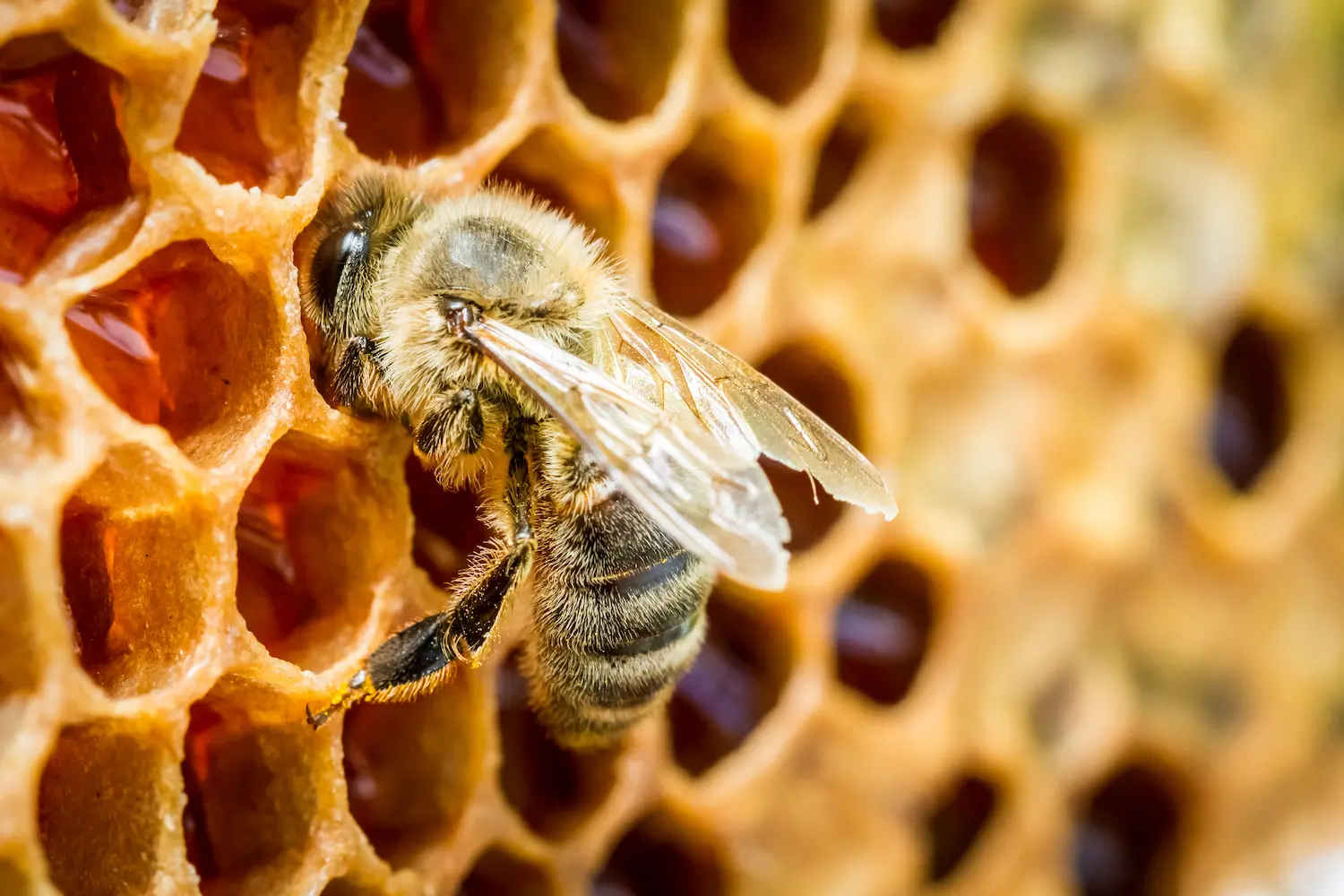
The humble bee hive has become an unexpected symbol of a more thoughtful lifestyle. While celebrities are often associated with red carpets, luxury homes, and glamorous careers, some have also embraced beekeeping, gardening, and other ways of reconnecting with nature. Behind the polished public image, caring for bees can offer something surprisingly simple: patience, quiet, responsibility, and a closer understanding of the natural world.
Beekeeping is not merely about collecting Bee Hive honey. A healthy colony is a complex community in which thousands of individual bees work together to support the survival of the hive. For public figures who choose to keep bees, the experience can become a meaningful hobby as well as an opportunity to encourage environmental awareness. It also gives fans a different perspective on celebrities who are interested in sustainability and life beyond the spotlight.
Why Bees Have Captured Celebrity Attention
Celebrity interest in nature is nothing new, but Bee Hive beekeeping has a distinctive appeal. It combines hands-on work with an understanding of ecology, making it very different from many conventional hobbies.
A bee hive requires regular observation and care. Beekeepers need to understand seasonal changes, colony behavior, food availability, and signs of disease or stress. That responsibility can be surprisingly grounding for someone whose everyday life is dominated by travel, filming, performances, interviews, or public appearances.
For some celebrities, the attraction may also come from the peaceful rhythm of working outdoors. There are no cameras, scripts, or stage lights Bee Hive around a hive. Instead, there is the steady movement of bees, the scent of flowers, and the need to pay attention to small changes.
That slower experience can be particularly appealing in a world where celebrity life is constantly connected to social media and public attention.
The Fascinating Life Inside a Hive
The real star of beekeeping is not the Bee Hive honey. It is the colony itself.
A honey bee colony operates as a highly Bee Hive organized social system. Worker bees perform different tasks during their lives, including caring for young bees, cleaning the hive, producing wax, guarding the entrance, and eventually collecting nectar and pollen.
The queen has a central reproductive role, Bee Hive while drones primarily contribute to reproduction. The thousands of worker bees, all female, carry out most of the work required to keep the colony alive.
This organization is one reason beekeeping can be so fascinating. Opening a hive safely is not like opening an ordinary box. A beekeeper must consider the colony’s temperament, weather conditions, available food, and the possibility of disturbing the bees unnecessarily.
A Lesson in Patience
Celebrity culture often revolves around immediate results. A successful film opens, a song climbs the charts, or a social post attracts attention within hours.
Beekeeping works differently.
A beekeeper may spend months observing a colony before seeing the results of careful management. Honey production depends on weather, flowering plants, colony strength, and many other factors beyond human control.
That unpredictability teaches patience. It also reminds people that nature does not operate according to a publicity schedule.
Bees and the Environment
One of the most important reasons bees attract public attention is their role in ecosystems and agriculture.
Honey bees collect nectar and pollen from flowering plants. As they move between flowers, they can transfer pollen and contribute to pollination. Many crops benefit from insect pollination, although honey bees are only one part of a much larger network of pollinators.
Wild bees, butterflies, moths, beetles, birds, and other animals also contribute to pollination. This distinction matters because protecting pollinators means looking beyond honey bees alone.
A celebrity who talks publicly about beekeeping can therefore help start broader conversations about planting flowers, reducing unnecessary pesticide exposure, protecting habitats, and supporting biodiversity.
The Celebrity Appeal of Sustainable Hobbies
Modern celebrity influence can extend far beyond entertainment. When a well-known person shares an interest in gardening, conservation, animal welfare, or beekeeping, fans may become curious about those subjects themselves.
A backyard bee hive can symbolize a wider approach to sustainable living. Someone interested in bees may also grow herbs, plant native flowers, compost organic material, or create a small pollinator-friendly garden.
The most valuable part of this trend is not celebrity endorsement. It is the possibility that an entertaining story can lead people toward practical environmental habits.
Even a person without enough space or experience to keep bees can help pollinators by growing suitable flowering plants and avoiding unnecessary disturbance of nesting areas.
What Celebrity Beekeepers Need to Understand
Beekeeping can look idyllic in photographs, but it is a serious responsibility.
Anyone considering the hobby needs appropriate protective equipment, basic training, suitable hive management practices, and an understanding of local regulations. Bees are living animals, not decorative additions to a garden.
Responsible beekeeping also means recognizing that honey bee colonies can face problems such as parasites, diseases, poor nutrition, extreme weather, and pesticide exposure. Regular monitoring and proper management are essential.
Honey Is Only Part of the Story
Honey is probably the most recognizable product associated with beekeeping, but it should not be the only reason someone becomes interested in bees.
Beeswax, propolis, and other hive products also have long histories of human use. More importantly, the colony itself provides an opportunity to learn about insect behavior and ecological relationships.
For celebrities, this can create content that feels more authentic than another carefully staged lifestyle post. A quiet afternoon checking frames or planting flowers can reveal a side of someone’s personality that audiences rarely see.
How a Hive Changes With the Seasons
A colony does not remain the same throughout the year.
During periods of abundant flowering, worker bees may collect large quantities of nectar and pollen. The colony can become especially active as it raises brood and stores food.
As temperatures fall and flowers become scarce, the colony’s priorities change. Bees rely increasingly on stored resources and maintain the warmth of the cluster inside the hive.
This seasonal cycle demonstrates why beekeeping requires long-term attention. A hive that appears healthy during one season may need very different management later.
For a celebrity accustomed to constantly changing schedules, caring for bees can create an unusual connection to a natural calendar.
The Quiet Side of Celebrity Life
There is something appealing about seeing famous people participate in ordinary, hands-on activities.
A person who spends their professional life performing for thousands of people may find a different kind of satisfaction in tending a garden or observing bees. The activity does not require applause.
That contrast may explain why beekeeping has such a strong lifestyle appeal. It represents a move away from constant visibility and toward something private, practical, and connected to the land.
The image of a celebrity standing beside a bee hive is therefore more than a quirky photograph. It can represent a desire for balance between modern public life and the natural world.
What Readers Can Learn From the Trend
The biggest lesson is that appreciation for bees does not require owning a hive.
People can support pollinators in many simple ways. Planting flowering species that provide food at different times of the year can help create useful habitat. Avoiding unnecessary chemical treatments can also reduce risks to beneficial insects.
Learning to recognize bees and other pollinators is another valuable step. Not every flying insect near a garden is a honey bee, and understanding the difference can encourage greater respect for the variety of species that share our environment.
Celebrity stories can attract attention, but everyday actions are what create lasting change.
Frequently Asked Questions
Is keeping a bee hive difficult?
Beekeeping requires knowledge, equipment, regular observation, and a willingness to learn. It can be rewarding, but it should not be treated as a casual decoration or a hobby that can be completely neglected.
Do bees only produce honey?
No. Honey bees also produce beeswax and substances such as propolis. More importantly, bees contribute to pollination and play an important role in many agricultural and ecological systems.
Can people help bees without keeping a hive?
Absolutely. Planting suitable flowering plants, protecting natural habitats, and avoiding unnecessary pesticide use can all contribute to healthier environments for pollinators.
Why are celebrities interested in beekeeping?
The reasons vary. Some may enjoy gardening and nature, while others appreciate the quiet, practical nature of the hobby. Beekeeping can also provide an opportunity to raise awareness about pollinators and environmental responsibility.
Are honey bees the only important pollinators?
No. Wild bees, butterflies, moths, beetles, birds, and other animals can also pollinate plants. Protecting pollinators means supporting diverse habitats rather than focusing on one species alone.
Conclusion
The growing fascination with the bee hive reflects something deeper than a celebrity lifestyle trend. Bees offer a reminder that meaningful work often happens quietly, collectively, and without recognition. Their survival depends on cooperation, suitable habitat, food sources, and careful environmental conditions.
For celebrities, beekeeping can provide an unexpected escape from public life while offering a chance to promote awareness of nature. For everyone else, the message is equally valuable: appreciating bees does not require fame, expensive equipment, or a large property.
Sometimes, it begins with something as simple as planting flowers and paying closer attention to the small creatures that depend on them. In a world that moves quickly, the humble hive offers a powerful lesson in patience, balance, and the importance of protecting the natural systems around us.
