

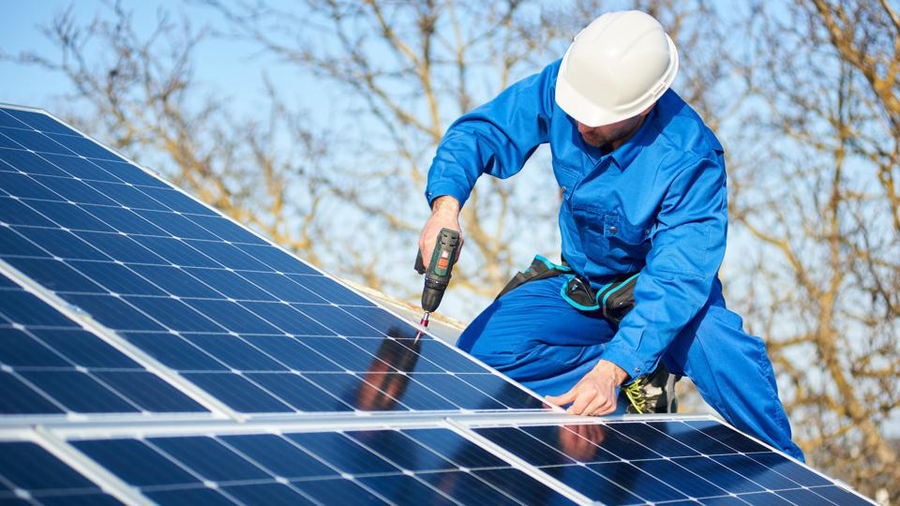
Choosing the right solar panel installer is one of the most important decisions you can make when investing in solar energy. A well-qualified installer ensures your system is designed correctly, installed safely, and performs efficiently for decades. While high-quality solar panels matter, their performance depends heavily on expert installation and proper system planning.
As more homeowners and businesses switch to renewable energy, the demand for experienced installation professionals continues to grow. Understanding what a solar panel installer does, what qualifications to look for, and how the installation process works can help you make a confident and informed decision.
What Does a Solar Panel Installer Do?
A solar panel installer is responsible for designing, installing, testing, and maintaining solar power systems. Their work begins long before the first panel is placed on a roof. They assess the property’s energy needs, inspect the roof or installation site, calculate the best panel placement, and recommend a system that matches both energy goals and budget.
Professional installers also ensure that the electrical components are connected safely and comply with local building regulations. Once installation is complete, they test the system thoroughly to confirm it operates efficiently and safely.
The role requires technical knowledge, practical experience, and a strong understanding of electrical systems, structural safety, and renewable energy technologies.
Why Professional Installation Matters
Installing a solar energy system is not a simple do-it-yourself project. Every roof has different angles, shading conditions, and structural requirements. Even small installation mistakes can reduce energy production or create safety concerns.
An experienced solar panel installer understands how to maximize sunlight exposure while protecting the roof structure. They use proper mounting systems, secure electrical connections, and ensure the system meets safety standards.
Professional installation also helps maintain manufacturer warranties. Many solar panel manufacturers require certified installation before warranty coverage becomes valid. Choosing an experienced professional protects your investment while improving long-term performance.
Qualities of a Reliable Installer
Finding the right installer involves more than comparing prices. Experience, reputation, and customer satisfaction all play important roles.
A trustworthy professional provides clear information about equipment, expected energy production, installation timelines, and maintenance requirements. They answer questions honestly and avoid unrealistic promises regarding savings or system performance.
Good installers also provide detailed written estimates that explain every cost involved. Transparency builds confidence and helps customers understand exactly what they are paying for without unexpected charges later.
Strong customer reviews, completed projects, and industry certifications often indicate a company’s commitment to quality workmanship.
The Solar Installation Process
Initial Property Assessment
Every project starts with an evaluation of the property. The installer examines roof condition, available sunlight, shading from nearby buildings or trees, and overall electrical capacity.
This assessment determines whether solar power is suitable for the property and identifies the best system size.
System Design
After gathering measurements and energy usage information, the installer creates a customized system design. The design specifies panel placement, inverter selection, wiring layout, and expected electricity generation.
A properly designed system balances performance, safety, and long-term reliability.
Permits and Approvals
Most regions require building permits and electrical approvals before installation begins. Professional installers usually handle the paperwork, ensuring compliance with local regulations and utility requirements.
Managing these approvals correctly helps avoid delays and future legal issues.
Installation Day
During installation, mounting structures are securely attached before solar panels are installed. Electricians then connect wiring, inverters, and safety equipment.
The work is completed carefully to protect both the building and the solar equipment. Once installation is finished, the system undergoes testing before being activated.
Factors That Influence Installation Costs
Several factors determine the overall cost of hiring a solar installation professional.
The size of the solar system is usually the biggest factor. Larger systems require more panels, additional equipment, and longer installation times.
Roof complexity also affects pricing. Steep roofs, unusual designs, or difficult access increase labor requirements.
Equipment quality plays another important role. Premium solar panels and high-efficiency inverters generally cost more but often deliver better long-term performance and durability.
Labor rates vary depending on location, local regulations, and installer experience. While lower prices may seem attractive, choosing quality workmanship often provides greater value over the life of the system.
Benefits of Hiring an Experienced Professional
Working with an experienced installer offers significant advantages beyond simply completing the installation.
Experienced professionals identify potential issues before they become expensive problems. They understand how weather conditions, roof orientation, ventilation, and electrical requirements affect system performance.
They also recommend equipment that matches the customer’s energy consumption rather than overselling unnecessary components.
Reliable installers continue supporting customers after installation through maintenance guidance, performance monitoring, and warranty assistance whenever needed.
This ongoing support contributes to better long-term system efficiency and customer satisfaction.
Common Mistakes to Avoid
Many homeowners focus only on finding the lowest price. However, choosing the cheapest option sometimes leads to poor workmanship, lower energy production, or expensive repairs later.
Another mistake is ignoring company credentials. Always verify licensing, insurance, certifications, and customer reviews before signing a contract.
Some buyers also overlook warranty details. Understanding what is covered for equipment, workmanship, and future repairs prevents confusion if problems occur.
Taking time to compare multiple quotes helps ensure fair pricing without sacrificing installation quality.
Maintenance After Installation
Solar energy systems require relatively little maintenance, but regular inspections help maintain peak performance.
Cleaning panels periodically removes dirt, dust, leaves, and debris that may reduce sunlight absorption. Professional inspections can identify loose wiring, damaged mounting hardware, or inverter issues before they affect electricity production.
Many modern systems include monitoring software that allows homeowners to track daily energy generation. Sudden performance drops often indicate maintenance is needed.
A professional inspection every few years helps maximize system lifespan and energy output.
Environmental and Financial Benefits
Solar power offers both environmental and economic advantages.
Generating electricity from sunlight reduces dependence on fossil fuels and lowers greenhouse gas emissions. Every properly installed solar system contributes to cleaner air and a more sustainable future.
Financially, many property owners experience lower electricity bills over time. Although installation requires an initial investment, the long operational life of solar systems often provides years of energy savings.
Well-installed systems may also increase property value, making homes more attractive to environmentally conscious buyers.
How Technology Is Improving Solar Installations
Solar technology continues to advance rapidly.
Modern panels generate more electricity while occupying less roof space than earlier generations. Improved inverter technology increases system efficiency and provides better monitoring capabilities.
Battery storage solutions have also become increasingly popular. They allow homeowners to store excess electricity for use during nighttime or power outages.
Professional installers stay informed about these technological developments and recommend solutions that fit changing energy needs.
Choosing the Right Long-Term Partner
A solar installation is expected to last for decades, making the installer an important long-term partner rather than simply a contractor.
Companies that provide strong customer support, clear communication, and dependable after-sales service often deliver the best overall experience.
Asking questions about maintenance, warranties, future upgrades, and monitoring services helps establish realistic expectations before work begins.
A trustworthy installer values customer education just as much as completing the installation itself.
Conclusion
Hiring the right solar panel installer is essential for maximizing the performance, safety, and lifespan of your solar energy system. Professional installation ensures every component works together efficiently while meeting safety standards and local regulations. By focusing on experience, reputation, transparency, and quality workmanship, property owners can make informed decisions that deliver reliable renewable energy for many years.
Solar energy continues to become a practical choice for homes and businesses worldwide. Investing in a qualified solar panel installer today can provide long-term financial savings, greater energy independence, and a positive contribution to a cleaner environment.
FAQ
What does a solar panel installer do?
A solar panel installer designs, installs, tests, and maintains solar energy systems while ensuring they meet safety standards and operate efficiently.
How do I choose the best installer?
Look for experience, proper licensing, insurance, positive customer reviews, transparent pricing, quality workmanship, and strong warranty support.
How long does solar panel installation take?
Most residential installations are completed within one to three days after permits and approvals have been obtained.
Do solar panels require regular maintenance?
Yes. While maintenance needs are generally low, occasional cleaning and periodic professional inspections help maintain maximum performance.
Can a professionally installed solar system increase property value?
In many cases, a properly installed solar energy system can improve property appeal and potentially increase resale value while reducing long-term electricity costs.
